Work inside defined workflows
Agents can qualify a lead, summarize a ticket, extract document fields, prepare a report, or draft a reply when the task is clearly scoped.
AI agents with guardrails, approvals, and measurable workflow value
Technanosoft designs and builds practical AI agents for sales, support, documents, operations, reporting, and internal knowledge workflows with defined tasks, limited permissions, audit logs, human approvals, and secure system integrations.
AI agents should not be vague experiments or unsupervised bots. The useful ones are controlled software workers that perform defined tasks, use approved data, follow limited permissions, and hand off uncertain or sensitive work to people.
Agents can qualify a lead, summarize a ticket, extract document fields, prepare a report, or draft a reply when the task is clearly scoped.
Agents can connect with CRM, helpdesk, email, knowledge bases, document systems, and dashboards through approved integrations.
Agents can recommend next actions, surface missing context, and prepare drafts while humans approve sensitive steps.
Agents can route low-confidence, high-risk, or unusual cases to the right team with context and audit history.
Qualifies leads, researches accounts, drafts outreach, updates CRM records, and prepares next actions for sales teams.
Classifies tickets, suggests responses, searches knowledge, routes issues, and escalates uncertain cases.
Reads invoices, forms, contracts, PDFs, and internal documents for structured extraction and review workflows.
Searches approved internal knowledge, policies, SOPs, product docs, and FAQs to answer team or customer questions.
Updates customer records, summarizes calls or emails, tracks next steps, and flags missing CRM data.
Summarizes threads, drafts replies, prepares follow-ups, and keeps approvals in place before messages go out.
Summarizes metrics, answers internal questions, prepares operational reports, and highlights exceptions.
Coordinates approvals, task handoffs, alerts, status updates, and routine back-office workflows.
Agents become useful when they work with the tools your team already uses, without opening unnecessary access.
A practical AI agent usually starts with one controlled workflow before expanding into more tools and teams.
New lead enters CRM, agent enriches context, drafts a reply, recommends next action, and waits for sales approval.
Ticket arrives, agent classifies the issue, searches the knowledge base, drafts a response, and escalates low-confidence cases.
Invoice or form is uploaded, agent extracts key fields, checks missing data, routes exceptions, and sends approved data to the right system.
Agent pulls approved metrics, summarizes changes, flags anomalies, and prepares a daily or weekly report for review.
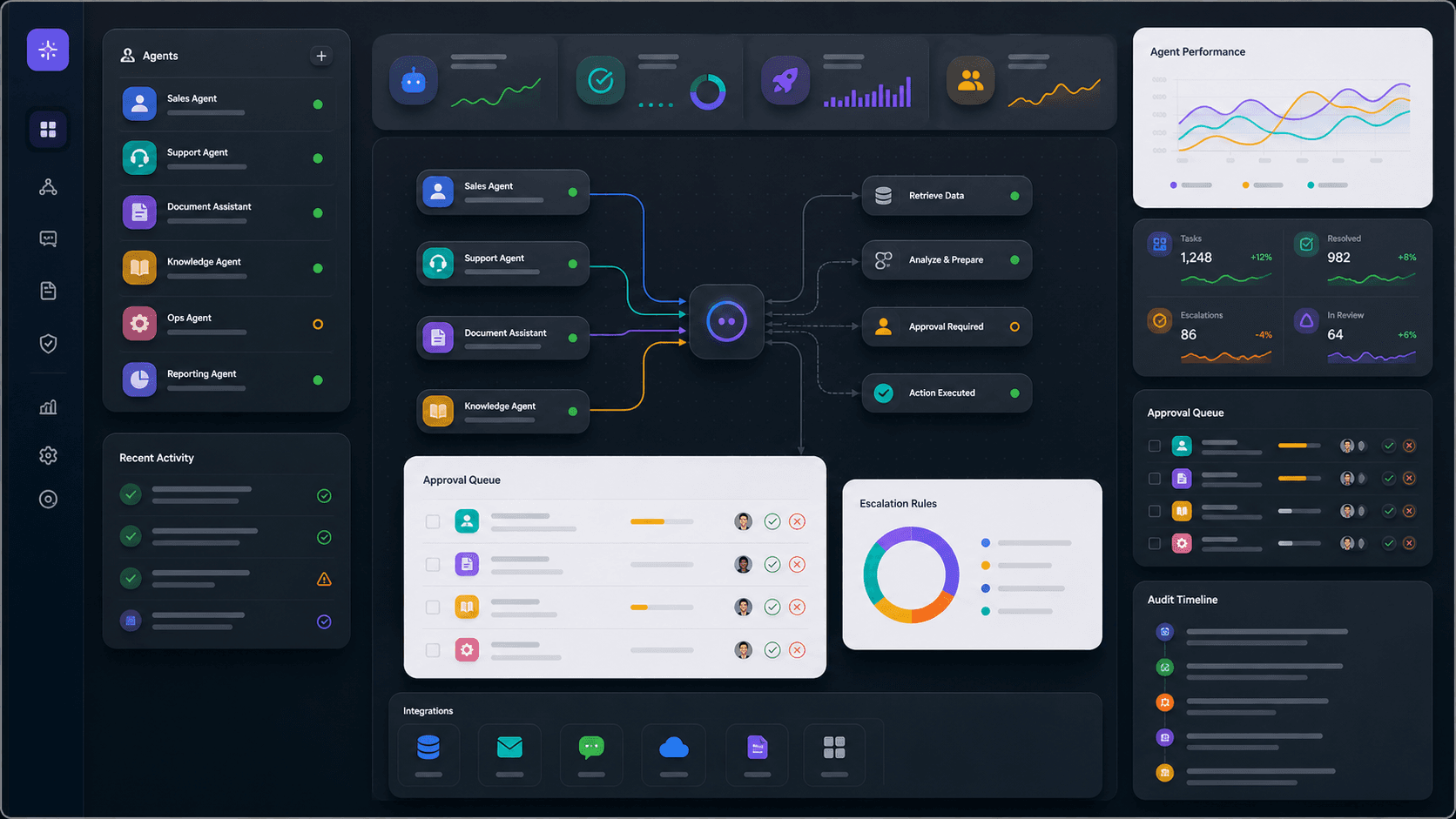
Plan campaigns, draft follow-ups, track replies, and keep human review in the loop before outreach moves forward.
Classify requests, retrieve approved answers, draft replies, and route uncertain tickets to the right team.
We design agents around real workflows, limited permissions, secure integrations, human approvals, and measurable business value.
Proof should come from practical workflows: outreach, support triage, user interaction, dashboards, integrations, and supervised AI actions.

Biometric Security / Enterprise Authentication

Defense Authentication / Secure Identity
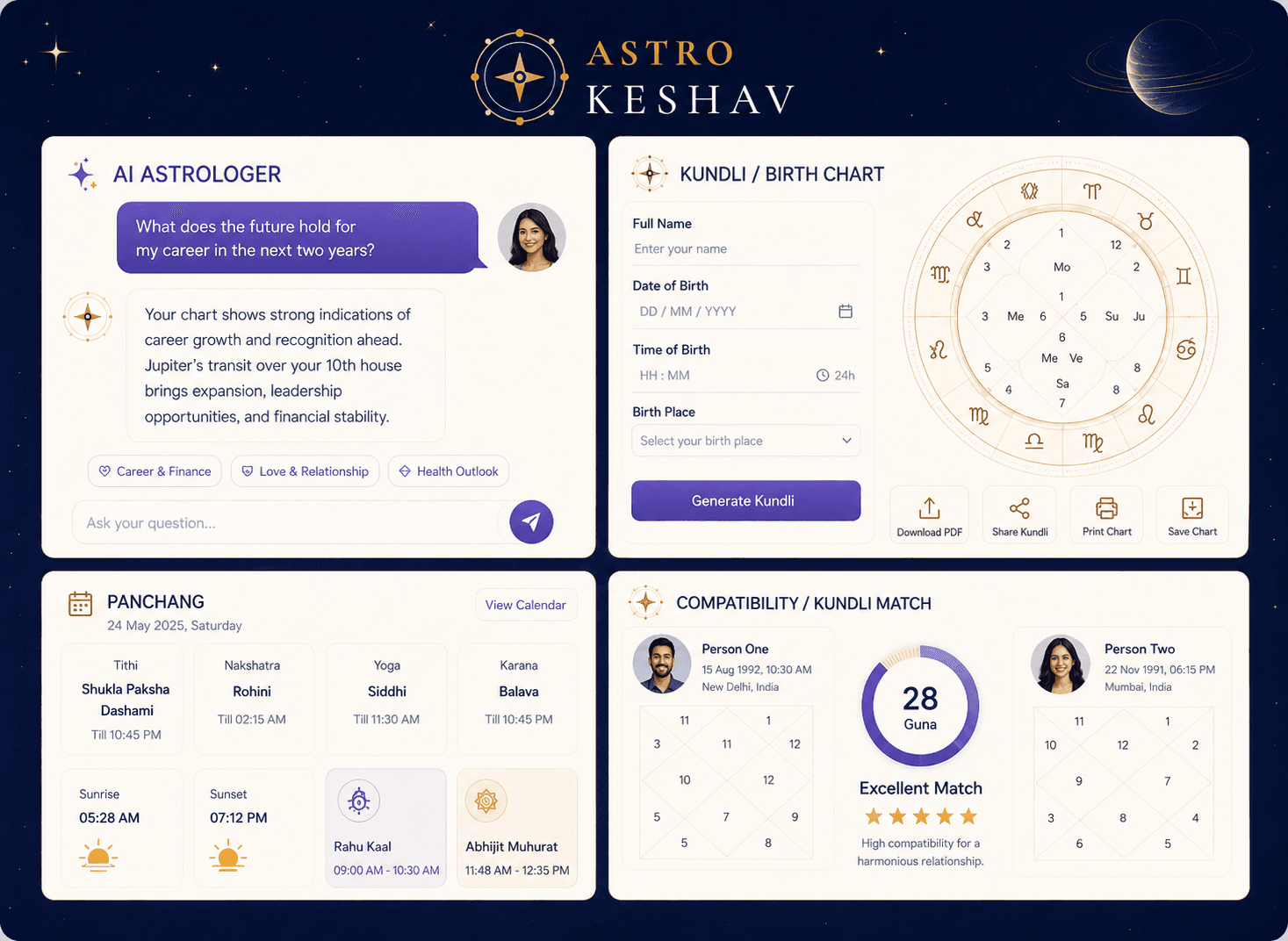
AI Astrology Platform
Technology choices depend on the workflow, architecture, security, and long-term support needs.
Yes. A chatbot usually answers questions. An AI agent can work inside defined workflows, use approved tools, prepare tasks, and support controlled business actions with supervision.
Yes, with the right access controls, data boundaries, permissions, and retrieval rules. We design the agent around the data it is allowed to use.
We use defined tasks, limited permissions, validation rules, confidence thresholds, human approvals, escalation paths, and audit logs so teams can supervise important actions.
Yes. Agents can integrate with CRM and helpdesk systems to draft updates, classify records, route tasks, or prepare changes. Sensitive actions can require human approval.
A good first project has a clear workflow, repeated steps, available data, measurable effort, and manageable risk, such as ticket triage, lead routing, document intake, or reporting assistance.
We can help define the task, permissions, integrations, approval flow, and first useful version before you invest in a full build.
Discuss Your AI Agent Idea